Weaving Without Fabric
A look into weaving-inspired references crafted from wood and metal.
April 17, 2025
Weaving with Wood
1. Rattan
When we think of wood weaving, rattan is probably the first material that comes to mind. Rattan is a type of palm that grows mostly in tropical Southeast Asia. It’s long, flexible, and durable—making it a favorite for furniture and crafts.
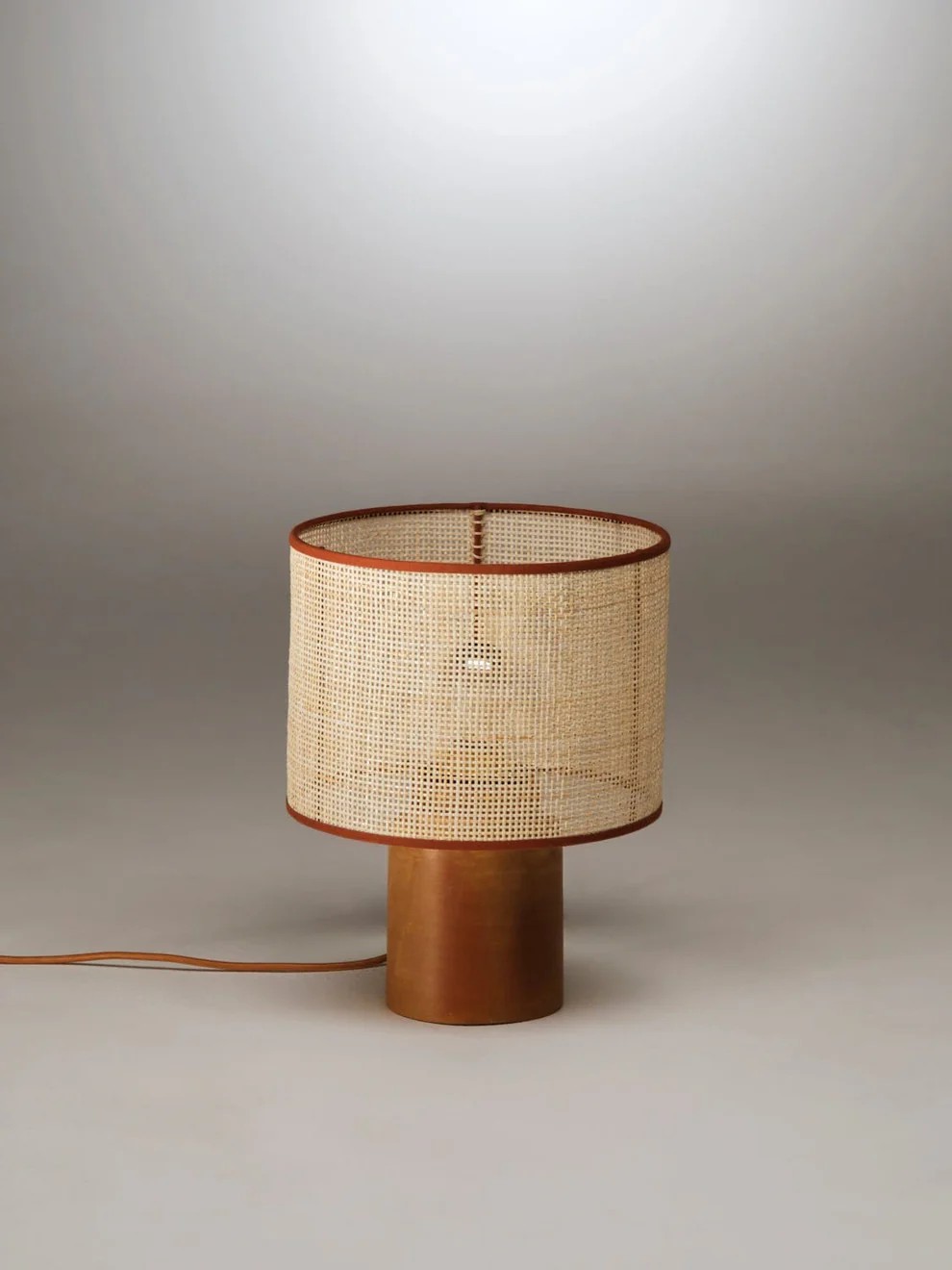
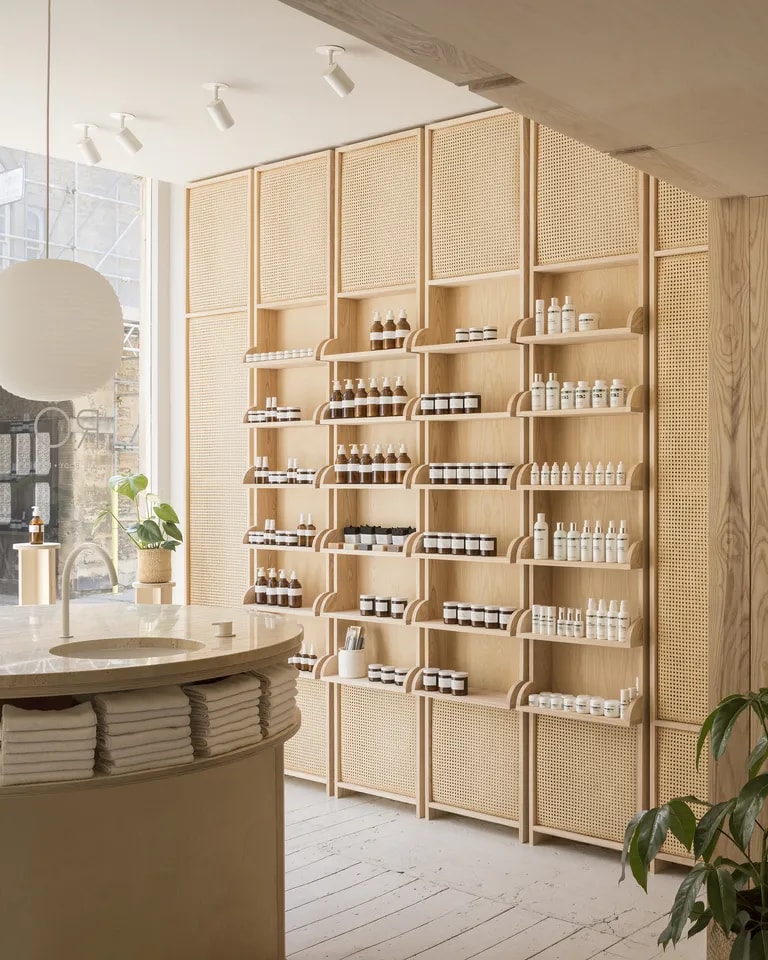
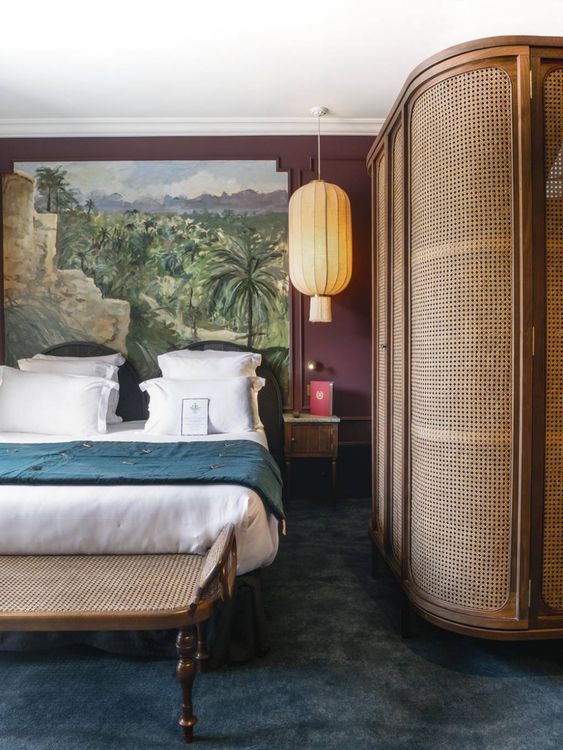
We often see it woven into familiar forms like baskets, lamps, or chairs, usually in zigzag or geometric patterns like squares or octagons. When these woven panels are framed and used as partitions or cabinet doors, they add an exotic and textured mood to interior spaces.
2. Wood Veneer
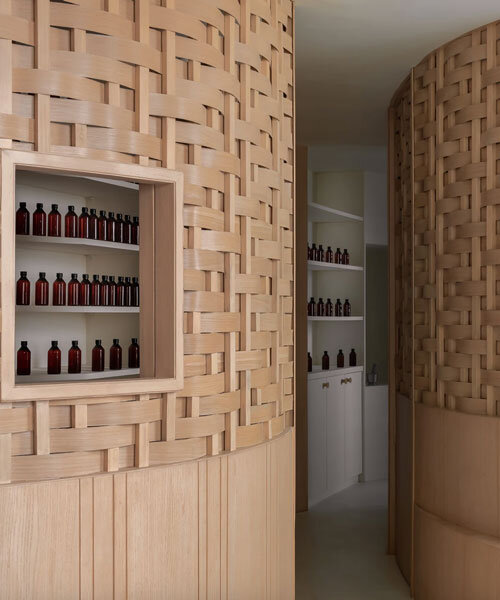
Another way to use wood in weaving design is through veneer. Thin strips of wood veneer can be woven like fabric, or arranged in interlaced patterns using solid wood sections, like in the example below. This creates a bolder, more dynamic feel—especially when the pattern is large and open. Light passing through the gaps and the soft flow of the woven curves brings unity and warmth to a space.
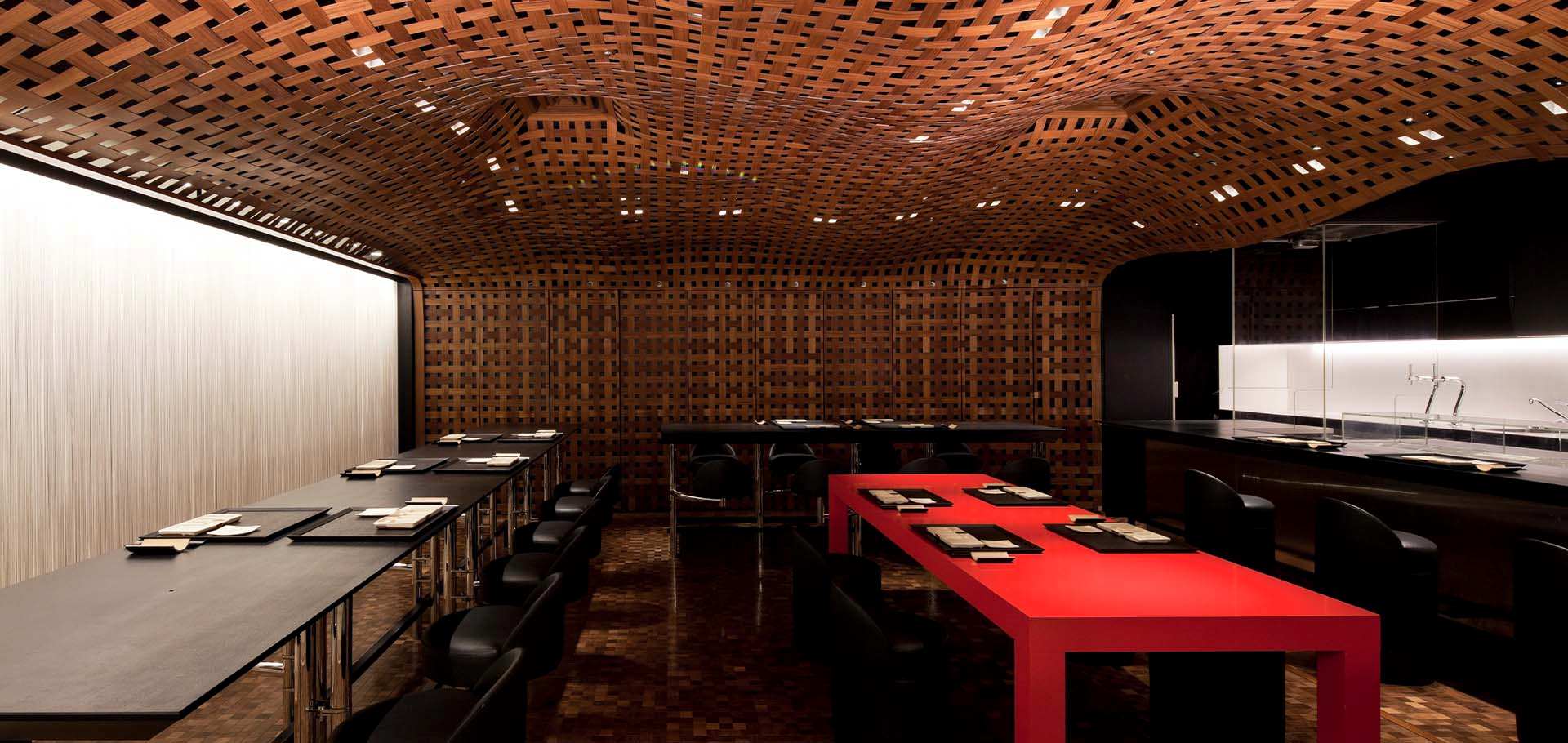
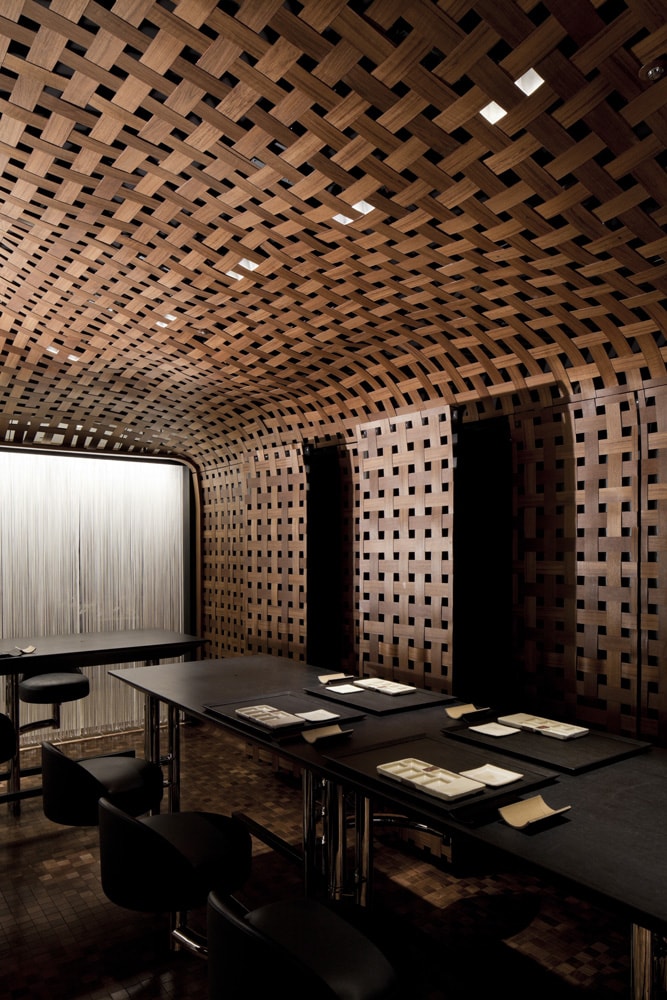
A great example is the Kushinoya restaurant in Osaka, designed by architect Shigeru Ban. Here, wooden strips are woven to form a 3D matrix that flows from the wall to the ceiling. The loose weave even allows open spaces within the pattern, which adds visual interest. The way the weave relaxes and curves from the ceiling creates a calm, organic mood. Depending on the width of the veneer and the tightness of the weave, you can create a wide range of expressive designs.
3. Paper
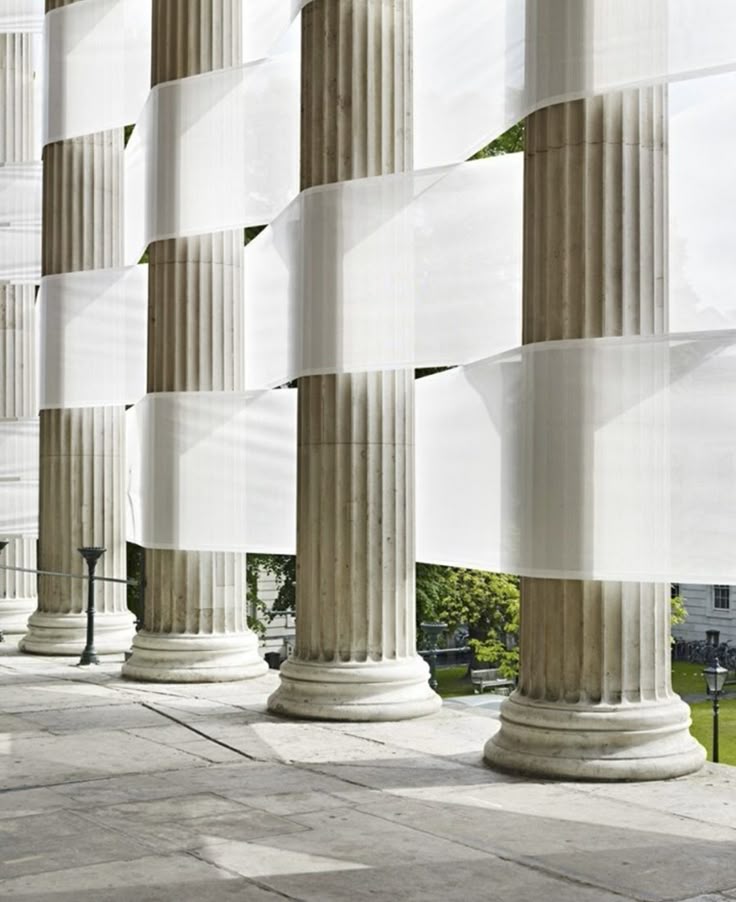
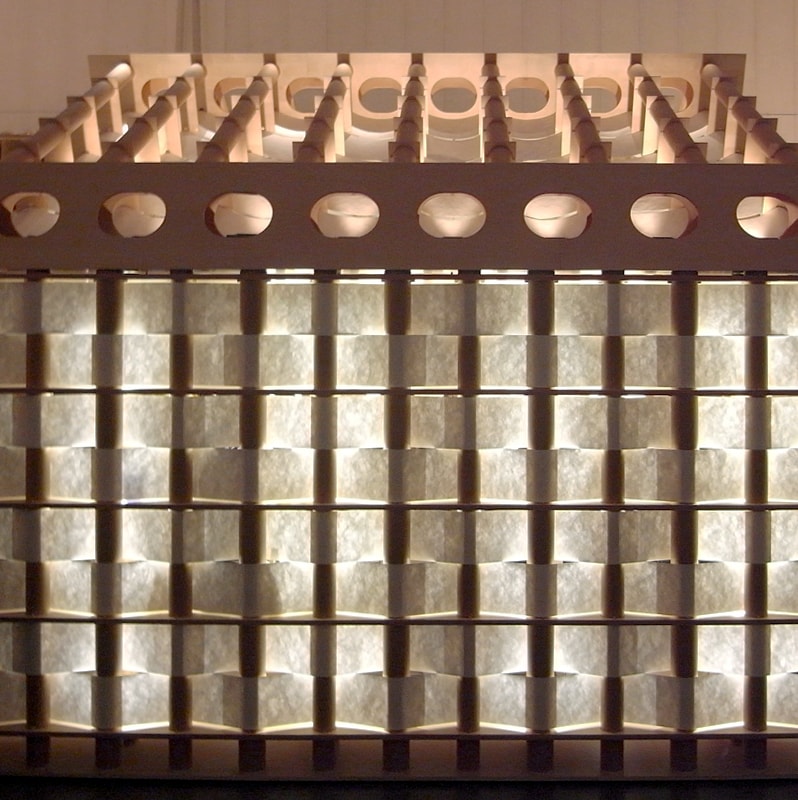
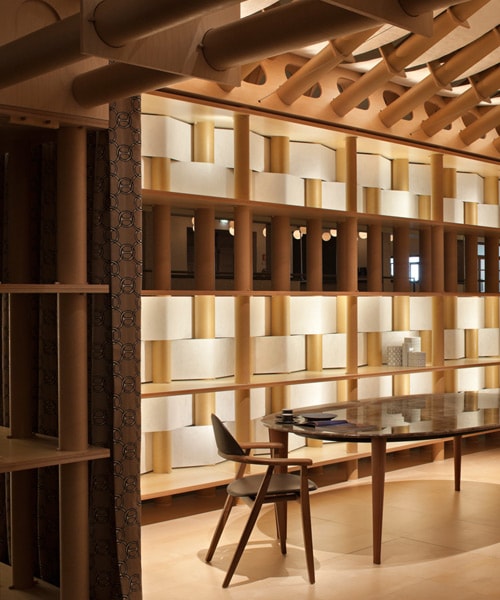
Also in 2011, the same year as Kushinoya, Shigeru Ban collaborated with Hermès for Milan Design Week to create a paper pavilion that beautifully showcased the dynamic nature of weaving. He used vertical paper tubes as the base, then wove long, white strips of paper horizontally to create the walls. The flowing paper softened the space, while the gaps in the weave and the translucent material kept it airy and open—never feeling too closed or heavy.
Structural Weaving with Metal
Metal Fabric
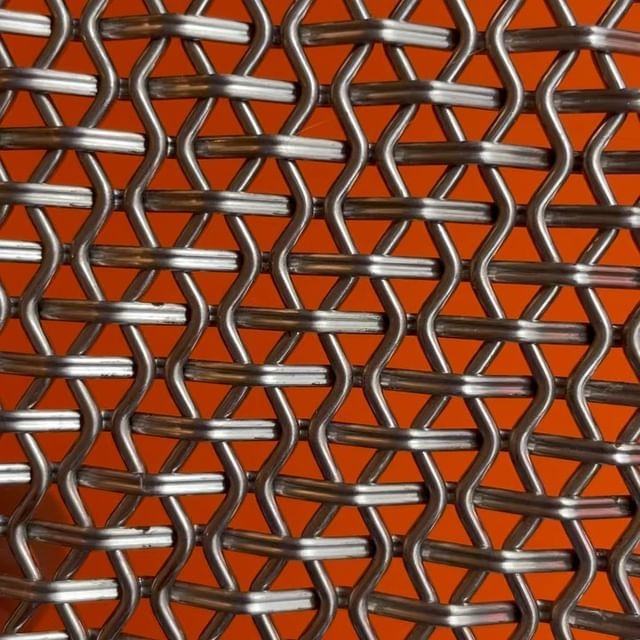
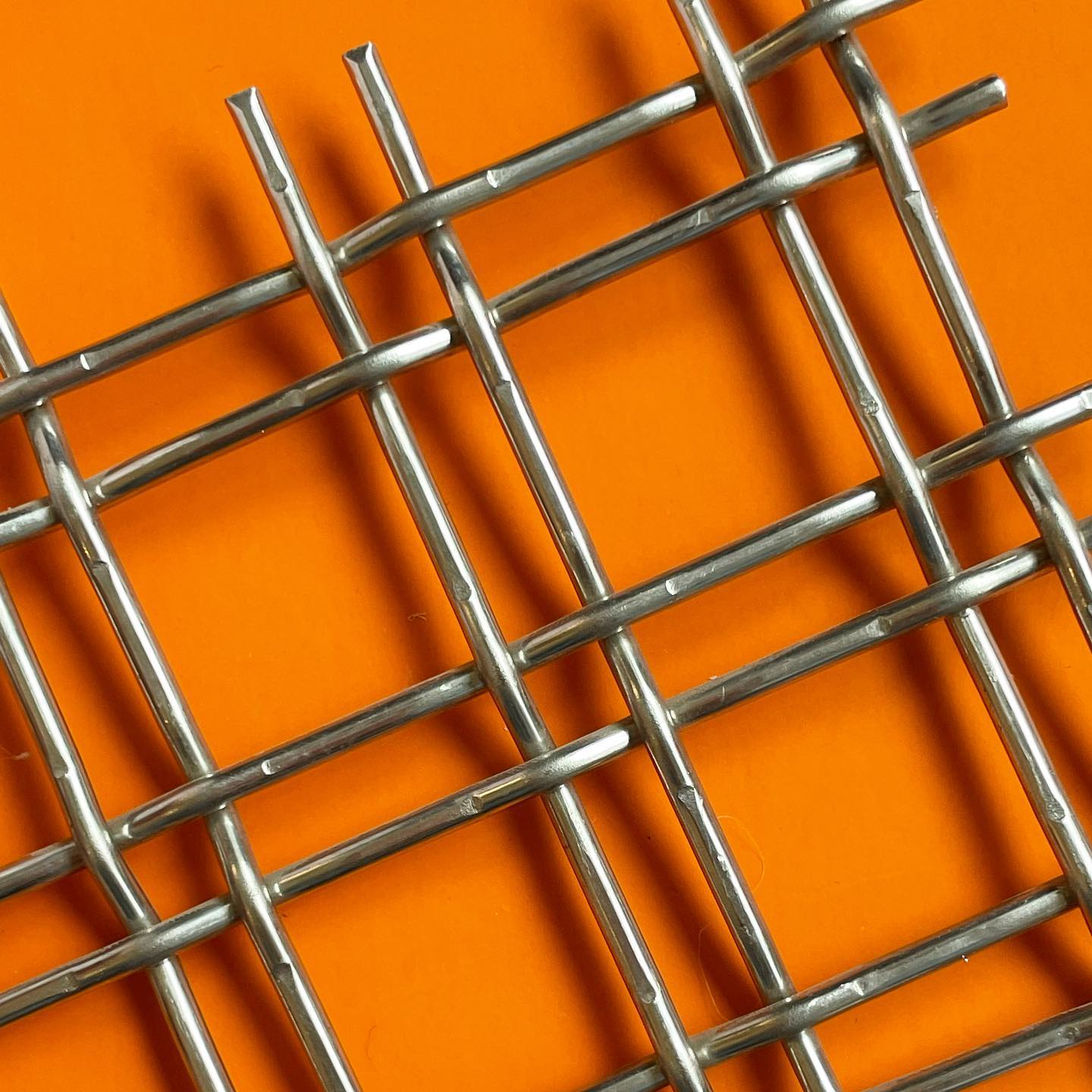
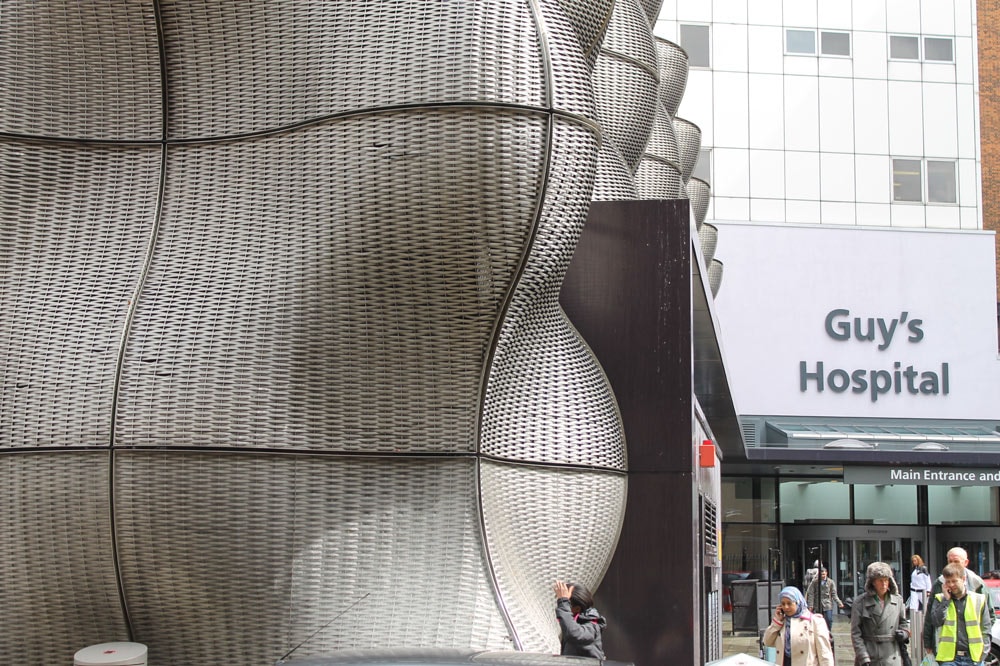
Yes—metal can be woven too. It might sound surprising given its rigid and industrial feel, but “metal fabric” is a real and widely used design material. In architecture, metal fabric is often used as a double-skin facade system, wrapping around buildings to reduce heat while adding visual appeal. Lighter and more flexible types—like metal mesh—are even used as interior curtains because of their drape and movement, much like fabric. Since the material is still metal, it offers strength, safety, and great potential for sculptural forms.
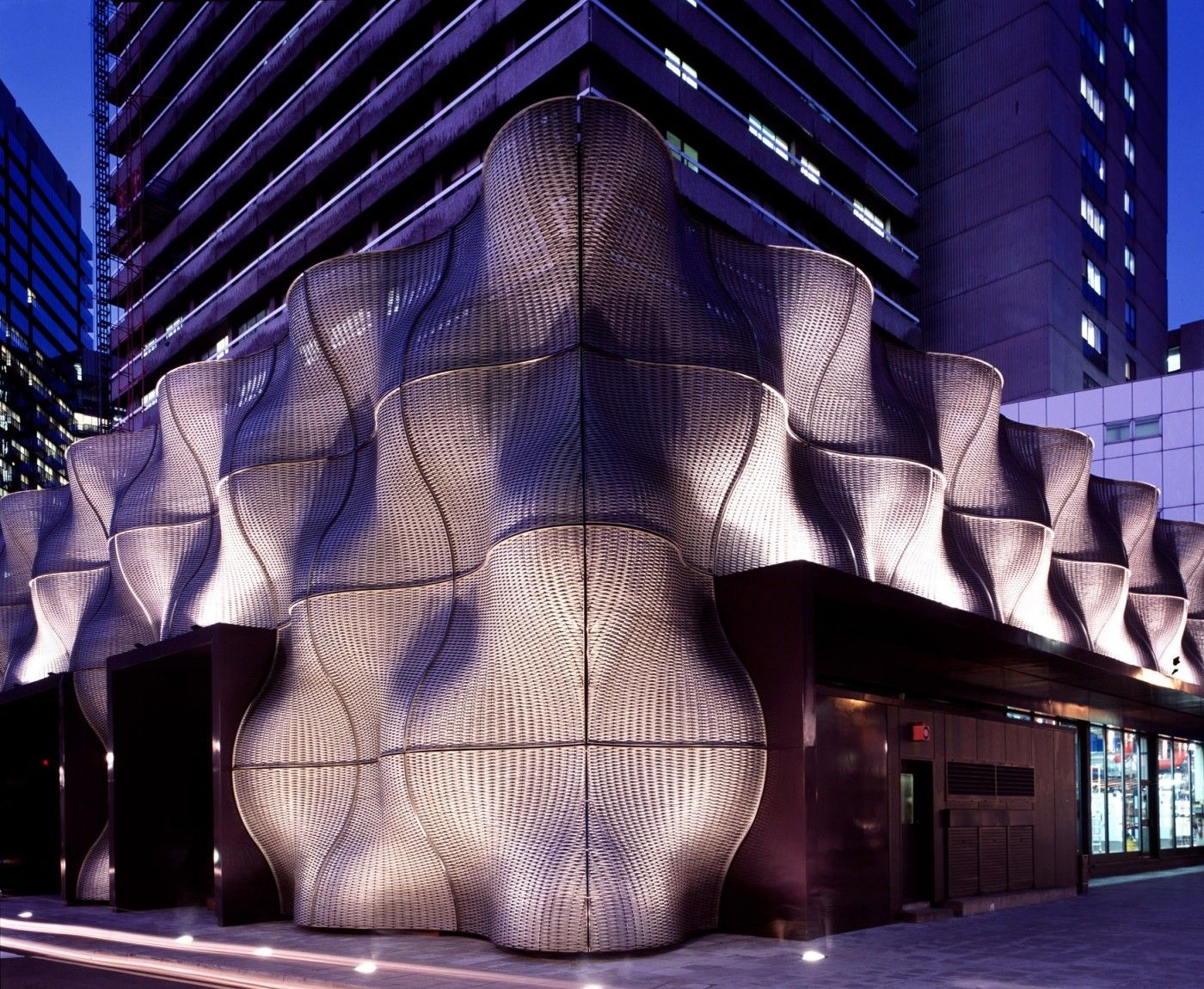
One striking example is a hospital facade designed by Heatherwick Studio. The exterior is made of 108 curved square panels forming an S-shaped silhouette. The chosen material? Woven stainless steel wire—metal fabric. Just like the name suggests, it wraps around the building with a strong yet elegant presence that fits perfectly with its function and look. See the making process in the Boiler Suit: Metal Body mixtape.
Pairs well with the Conc Mixtape
Did this help? and share it with your friends. Did something come to mind? Got a question? Let the author know. New to Conc? Conc is making tools for people who work with materials.